Christian Easter PNG: A Designer’s Real-World Embroidery Review
First Impressions: Clean, Reverent, and Ready for Stitching
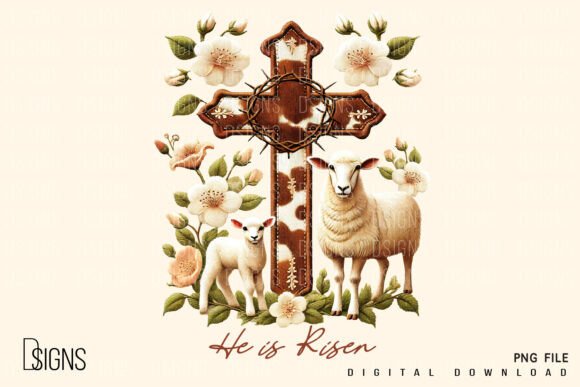
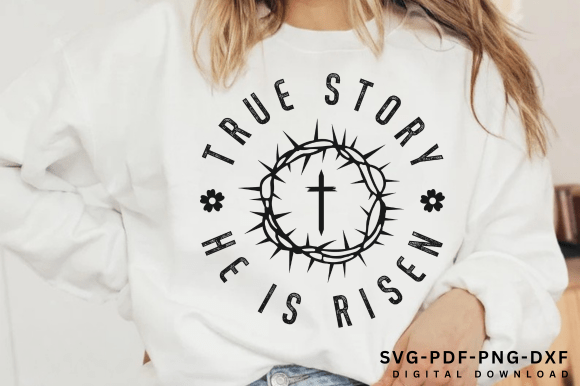
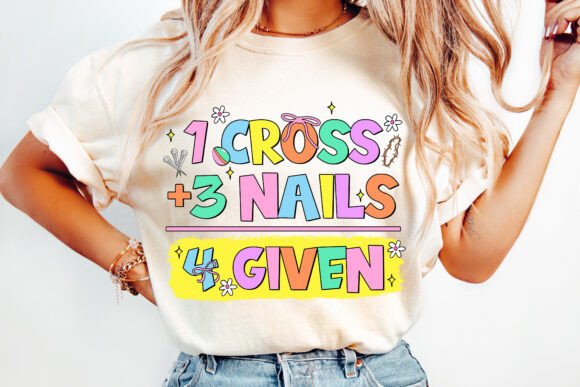
When I opened Christian Easter PNG for the first time, I wasn’t looking for flash—I was looking for feel. And it delivered: a balanced, centered composition with soft curves, clear iconography (cross, lily, dove, or subtle lamb motif—depending on version), and intentional negative space. It doesn’t shout; it invites. That’s rare in holiday-themed embroidery files, especially ones labeled under T-Shirt Designs. This isn’t clipart dressed up—it reads like a design made *for stitch*, not just screen display. The lines are confident but not overly rigid, the proportions generous enough to scale down without losing legibility, yet substantial enough to hold presence on a sweatshirt chest or tote bag front.
A Real Project Test: Embroidering a Linen Kitchen Towel for a Boutique Gift Set
Last week, I used Christian Easter PNG on a natural linen tea towel—part of a small-batch Easter gift set for a local craft shop. No digital mockup tricks here: real fabric, real stabilizer (medium-weight cutaway), real thread (40wt matte cotton in ivory and soft sage). The result? Crisp satin-stitched outlines, clean fill-stitch areas that didn’t pucker, and zero thread breaks—even through the towel’s subtle weave. What stood out most was how the design’s gentle rhythm translated into stitch: the lily’s petals held shape, the cross remained upright and dignified, and the overall layout left breathing room around the edges—critical when stitching on home goods where seam allowances and hems matter.
Where It Shines—and Where It Needs Thought
Christian Easter PNG excels in projects where tone and craftsmanship align: baby onesies (soft, non-distracting), nursery wall hangings, embroidered aprons for church bake sales, or minimalist sweatshirt fronts for faith-based small businesses. Its restrained detail makes it ideal for commercial embroidery runs—fewer jump stitches, lower stitch density than ornate alternatives, and consistent registration across hoops.
But let’s be practical: avoid pushing it onto ultra-thin jersey tees without proper tear-away stabilizer underneath—or onto heavily textured fabrics like bouclé without testing first. On dark fabric, confirm your thread colors provide enough contrast (ivory on navy works beautifully; pale yellow may vanish). And while it scales well, don’t force it below 3.5" wide on curved surfaces like baseball caps—the fine inner lines of the dove’s wing or cross detailing can blur or skip during hooping and stitching.
What It Does for Your Handmade Product—and Your Customer
This isn’t just about aesthetics—it’s about resonance. When a customer sees Christian Easter PNG stitched cleanly on a handmade pillow cover or personalized tote, they read intention, care, and quiet confidence—not generic holiday noise. That builds trust. For Etsy sellers and craft fair vendors, that translates directly to perceived value: buyers pay more for pieces that look professionally considered, not digitally dumped. It also supports brand consistency—if you’re building a line of faith-centered home goods or apparel, this design anchors your visual language without overwhelming it.
I’ve watched customers pause longer at items featuring Christian Easter PNG versus busier Easter motifs. Why? Because it leaves room for the product itself—the drape of the linen, the weight of the canvas tote, the softness of the baby blanket—to speak alongside the embroidery, not compete with it.
Practical Notes Every Embroidery Designer Should Run Through
- Always test on scrap fabric first—especially if using it on stretchy knits or delicate blends. Linen, cotton duck, and midweight denim all behaved predictably; lightweight rayon did not.
- Check thread color contrast early. Try it in black-and-white mockups—you’ll spot muddy transitions before stitching.
- Review stitch density. While not excessively dense, some fill areas benefit from slightly reduced density on napped fabrics like fleece.
- Confirm hoop size compatibility. Most versions fit comfortably in a 4x4 hoop—but verify before digitizing or resizing for larger garments.
- Inspect small details: tiny dots (like the dove’s eye) or fine crossbar joins should remain distinct after stitching. If they don’t on your machine, adjust tension or needle size.
- Use appropriate stabilizer. Cutaway for stable wovens, tear-away for lighter cottons, and fusible + tear-away combo for knits.
- Verify licensing terms before selling finished products or bundling as part of a digital embroidery file pack. Not all machine embroidery design licenses cover commercial resale of physical goods.
Fitting Into Your Creative Workflow—Without Friction
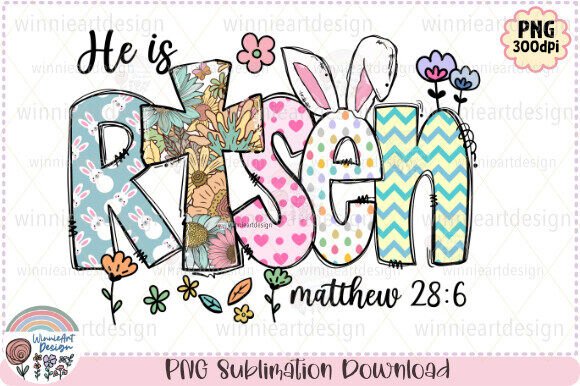
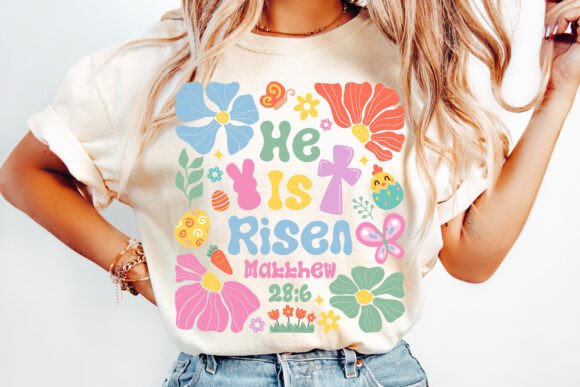
Christian Easter PNG slots smoothly into real-world workflows: it’s easy to pair with simple monograms for personalized gifts, layer beneath subtle text (“He Is Risen”) for custom apparel, or convert into an applique design for quilt blocks or nursery decor. As a digital embroidery file, it holds up in printable mockups—clean edges, no anti-aliasing bleed—so your Etsy listings look sharp and trustworthy. For craft business owners launching seasonal collections, it’s reliable inventory: no last-minute digitizing stress, no client revisions needed for clarity or balance.
And yes—it works on t-shirts. But its strength lies beyond that category. Think: embroidered patches for youth group jackets, pillow covers for church welcome centers, or tea towels gifted to new moms at Easter brunch. That versatility is why it’s earned a permanent folder in my design assets library—not as a one-off holiday file, but as a thoughtful, stitch-ready foundation.
The Bottom Line for Makers Who Care About Craft
Christian Easter PNG earns its place because it respects both the machine and the maker. It doesn’t demand perfection—but it rewards attention. It won’t carry weak execution, but it elevates strong technique, smart fabric choices, and intentional presentation. Whether you’re stitching a single baby onesie or producing 50 tote bags for a boutique launch, this design meets you where you are: grounded, capable, and quietly confident in what handmade means.