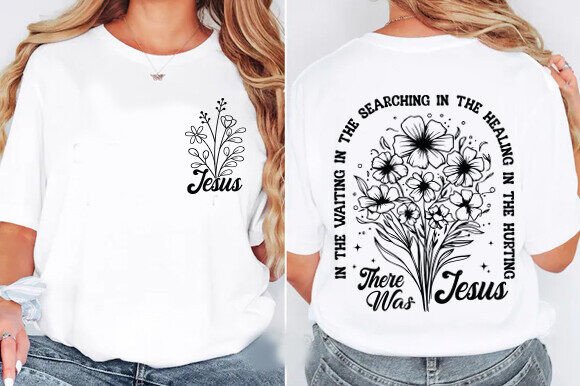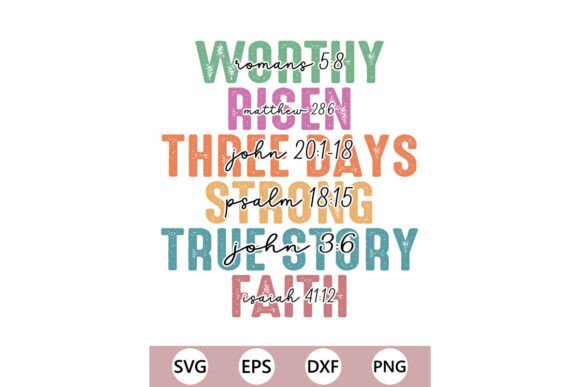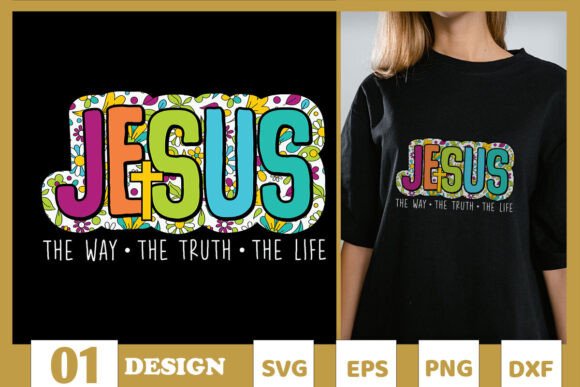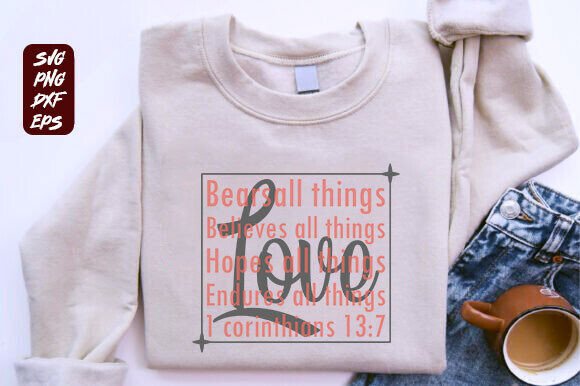
God Don’t Play About Me SVG, Jesus SVG T-Shirt Designs
A Brand Designer’s First Look: Bold Faith, Local Flavor
When I opened God Don’t Play About Me SVG, Jesus SVG for a recent project with “Grace & Grain,” a Black-owned artisanal bakery in Atlanta, my first impression was immediate: this isn’t just clipart—it’s declarative visual language. The design carries weight, rhythm, and reverence without stiffness. It reads as bold yet grounded—modern but not sterile, expressive but not chaotic. For local businesses rooted in community, faith, and authenticity—think candle brands naming scents after Psalms, handmade soap lines with gospel-inspired names, or boutique apparel celebrating Sunday morning joy—it signals confidence, warmth, and cultural resonance. It leans into expressive typography with subtle hand-drawn texture, avoiding the overly digital or generic feel common in many creative marketplace SVG designs. It feels human-made—not algorithmically polished—and that makes it ideal for small business branding where sincerity matters more than slickness.
Where This Graphic Design Asset Earns Its Place
In real-world application, God Don’t Play About Me SVG, Jesus SVG shines brightest when used intentionally—not as filler, but as a strategic brand accent. For Grace & Grain, we deployed it across multiple touchpoints: as a foil-stamped motif on kraft bakery boxes, as a watermark-style background on thank-you cards tucked into pastry bags, and as a hero graphic on seasonal social media banners promoting their “Sunday Blessings” brunch box. It also anchored the design of reusable cotton tote bags sold at the shop—paired with a clean sans serif brand name to balance its expressive energy.
- Product labels: Works powerfully on front-of-pack for honey jars, coffee bags, or candle vessels—especially when paired with natural textures (linen, uncoated paper, wood grain)
- Packaging accents: Adds emotional resonance to hang tags, sticker seals, or ribbon wraps without overwhelming product hierarchy
- Social media graphics: Scales beautifully for Instagram carousels and Facebook event covers—particularly during Lent, Easter, or back-to-church season
- Printable design: Delivers crisp output for flyers, menu inserts, and limited-run posters thanks to its vector-based SVG structure
- Seasonal campaign visuals: Anchors holiday collections (“Joy Is Real,” “Peace Is Present”) with spiritual grounding and visual consistency
What It Does for Your Local Business Presentation
This graphic design asset strengthens several critical pillars of small business branding. First, it delivers a stronger first impression: customers scanning a farmers’ market table or boutique shelf instantly register conviction and care—not just aesthetics. Second, it builds better product recognition when repeated thoughtfully across packaging and digital assets. Third, it supports clearer visual hierarchy—its confident letterforms naturally draw the eye before supporting copy. Fourth, consistent use fosters more consistent brand identity, especially for businesses whose mission is interwoven with faith and service. That consistency, in turn, deepens customer trust and reinforces authenticity. On shelves or in feeds, it elevates professional branding—making handmade goods feel intentional, not incidental. And because it’s emotionally resonant, it helps forge a stronger emotional connection, turning one-time buyers into repeat supporters who see themselves reflected in your visuals.
Best Fit vs. Careful Use Zones
God Don’t Play About Me SVG, Jesus SVG excels in contexts where spirit and statement matter: product mockups for faith-forward apparel lines, decorative borders on greeting cards for church gift shops, hero sections on websites for Christian counselors or wellness coaches, and bold banners for community events like block parties or neighborhood cookouts. It’s especially effective in seasonal packaging, boutique visuals, and social media campaign graphics where tone and timeliness align.
Use it carefully—or avoid it—in formal corporate branding (e.g., law firms or financial advisors), on very small labels where legibility suffers, within crowded product packaging competing with nutritional facts or ingredient lists, or against low-contrast backgrounds (light gray text on off-white kraft). It can clash with luxury minimalist brands that rely on silence and space—or where decoration competes directly with essential information like allergen statements or QR codes.
Practical Brand Designer Notes Before You Commit
Before integrating God Don’t Play About Me SVG, Jesus SVG into your client work or own business branding, run these checks:
- Test it on real packaging mockups—not just digital previews—to assess scale, spacing, and tactile impact
- Check black-and-white usage: does it retain clarity when printed monochrome on brown paper or linen?
- Preview it on small labels (e.g., 1.5” x 1.5” soap tags) to confirm readability
- Test it with your full brand color palette—does it harmonize with earthy tones, deep jewel tones, or soft pastels?
- Compare it side-by-side with competitor packaging—does it stand out meaningfully without feeling disconnected?
- Review print quality at actual size: are stroke weights balanced? Are corners crisp, not jagged?
- Inspect the PNG transparency if using raster versions—no fringing or haloing around edges
- Confirm SVG or vector editability: can you adjust spacing, isolate letters, or recolor individual elements?
- Test it beside your chosen font pairings—serif, sans serif, script, handwritten, and display fonts—to ensure typographic harmony
- Verify commercial licensing explicitly: does it permit use in physical product sales, client work, and digital marketing? Never assume.
Remember: God Don’t Play About Me SVG, Jesus SVG is a powerful graphic design asset—but its impact multiplies only when treated as part of a thoughtful, locally grounded brand identity—not as a standalone T-Shirt Designs flourish. Used with intention, it becomes more than decoration. It becomes declaration. And for the right small business, that declaration builds loyalty, community, and quiet confidence—one package, label, and post at a time.