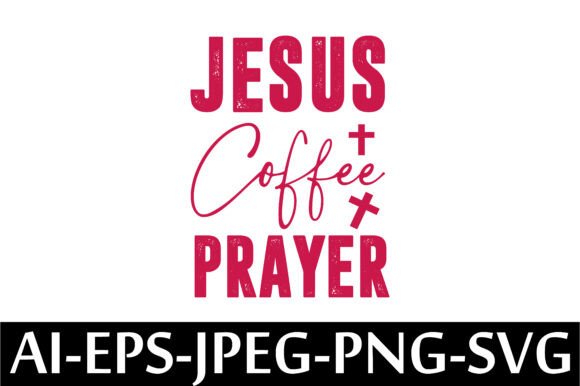
JESUS COFFEE PRAYER. T-SHIRT DESIGN.
A Warm, Worn-In Vibe — First Impressions That Stick
When I opened JESUS COFFEE PRAYER. T-SHIRT DESIGN., what hit me first wasn’t the message—it was the mood. It’s soft-edged, gently rounded, and intentionally unpolished—not sloppy, but *human*. The lettering leans slightly, like handwriting after two cups of coffee; the cross motif is subtle, integrated into the “O” in “COFFEE,” not slapped on top. This isn’t a bold proclamation. It’s a quiet nod—comforting, familiar, and deeply wearable. As a designer who’s stitched hundreds of faith-based motifs for small shops and custom orders, I immediately pictured it on a cream-colored linen tote bag for a local café’s staff gift set: understated, sincere, and unmistakably handmade.
Where It Shines (and Where It Asks for Care)
JESUS COFFEE PRAYER. T-SHIRT DESIGN. thrives in relaxed, lifestyle-driven embroidery projects—think sweatshirt cuffs, apron pockets, pillow covers for cozy nurseries, or tea towels in a boutique kitchen line. Its moderate height (roughly 3.5–4 inches wide) and open letter spacing make it forgiving on medium-weight cotton, fleece, and even light canvas. On a baby onesie? Yes—but only if you’re using lightweight stabilizer and low-density fill stitches. On a structured cap front? Proceed with caution: the curve will compress the “J” and “R,” and tiny details like the steam curl above the coffee cup may blur without precise digitizing adjustments.
It also works beautifully as an embroidered patch—especially when backed with heat-seal adhesive for iron-on application to denim jackets or canvas backpacks. For Etsy sellers listing personalized gifts, this design pairs well with neutral thread palettes (heather gray, oatmeal, deep navy) that let the sentiment land without shouting. But here’s the real talk: avoid it on thin jersey tees unless you’ve tested stitch density thoroughly. Dense satin-stitched outlines + tight fill areas can cause puckering on stretchy fabric, especially around the curved cross element.
Fabric & Function: What You’ll Need to Test Before Cutting Thread
- Stabilizer matters more than usual. Because the design balances fine lines (like the coffee steam) with broader fill areas (the “PRAYER” banner), use a medium-weight cutaway under knit fabrics—and a tear-away + light spray adhesive combo for stable wovens like quilting cotton or twill.
- Thread contrast is non-negotiable. On dark fabric, test black thread with white top-stitch highlights—or vice versa. The script relies on legibility, not just shape. If your mockup looks muddy in grayscale, it’ll read poorly in real life.
- Hoop size isn’t listed—but assume it fits comfortably in a 4×4 hoop. Still, verify before hooping your best organic cotton sweatshirt. A tight fit risks distortion on the outer curves.
- Wash durability? Likely solid—if digitized well. Running stitches in the steam line and clean satin borders suggest thoughtful construction, but always run a wash test on scrap fabric before committing to a batch of holiday gifts.
How It Lands With Real Buyers (Not Just Designers)
I recently used JESUS COFFEE PRAYER. T-SHIRT DESIGN. on a limited-run batch of heavyweight cotton aprons for a church-run coffee ministry. Customers didn’t just buy them—they paused. Smiled. Said things like, “That’s *exactly* how I feel before Sunday morning.” That’s the power of tone-aligned design: it doesn’t preach; it resonates. In a craft fair setting, this design reads as intentional, not generic—elevating a simple apron from utility item to keepsake. For Etsy sellers, it supports brand consistency across listings: pair it with warm-toned printable mockups, handwritten-style product descriptions, and cohesive photo styling (think steaming mug, wooden table, soft natural light).
But be honest with yourself: this isn’t a high-impact logo replacement. It won’t dominate a full-chest sweatshirt layout or scale cleanly to 8 inches wide. Its strength is intimacy—not authority. Use it where attention is earned slowly: on the inside hem of a robe, the corner of a nursery pillow cover, or the pocket of a teacher’s tote. That’s where handmade product value rises: in the quiet details people discover, not the ones they’re blasted with.
Practical Notes Every Embroidery Designer Should Keep Handy
- Always stitch a test on scrap fabric *identical* to your final project—same thread, same stabilizer, same machine tension.
- Check small details at actual stitch-out size: does the coffee cup handle read clearly? Is the cross outline distinct against the “O”?
- Review stitch density in the fill areas—overly dense fills trap moisture and stiffen fabric, especially problematic for baby embroidery or kitchen towels meant for frequent washing.
- Confirm licensing before selling finished items commercially. If you’re an Etsy seller or small shop owner, know whether JESUS COFFEE PRAYER. T-SHIRT DESIGN. permits resale of physical products—and whether digital redistribution (e.g., bundling in a design pack) is allowed.
- Try it in a black-and-white printable mockup first. If the hierarchy collapses without color cues, adjust thread choices or simplify background elements.
- For holiday embroidery or wedding gifts, consider pairing it with a single complementary motif—a tiny heart, a sprig of rosemary, or minimalist steam swirl—to add visual rhythm without clutter.
Final Thought: Not Just Another T-Shirt Design
This isn’t filler content for your next T-Shirt Designs catalog drop. JESUS COFFEE PRAYER. T-SHIRT DESIGN. is a mood-setter, a conversation starter, and a quietly confident piece of design assets. It asks for intention—not speed. Use it where sincerity matters more than scale, where handmade presentation builds trust, and where your customer isn’t just buying apparel… they’re choosing a feeling. Whether you’re stitching for a church fundraiser, launching a craft business, or creating personalized gifts for friends who love their faith *and* their caffeine, this design earns its place—not because it’s flashy, but because it feels true.