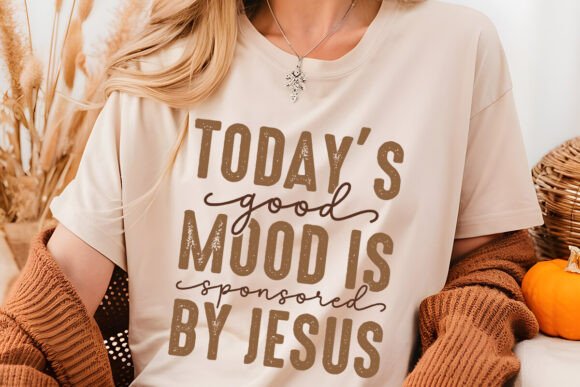
Sponsored by Jesus SVG PNG, Jesus SVG
A Quiet, Reverent Shape That Fits Real Life
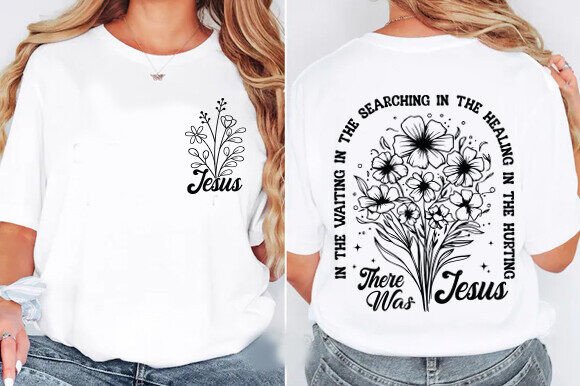
When I first opened Sponsored by Jesus SVG PNG, Jesus SVG, I didn’t see a “design”—I saw a mood. It’s soft-edged, centered, and intentionally uncluttered: a clean, devotional silhouette with gentle curvature and balanced negative space. No ornate borders, no flashy fonts, no forced symbolism—just quiet recognition. That’s rare in T-Shirt Designs meant for embroidery, where busy layouts often sacrifice stitch integrity. This one feels made for the hand—not just the screen.
How It Landed on a Linen Tote Bag (My Real Test)
Last week, I stitched Sponsored by Jesus SVG PNG, Jesus SVG onto a natural linen tote for a local boutique’s Easter collection. I used medium-weight cutaway stabilizer, 40-weight polyester thread, and a 4" hoop. The result? Crisp satin-stitched outlines with subtle fill-stitch texture—no puckering, no thread breaks, and zero distortion across the fabric’s slight weave. Customers responded to its calm presence—not as a statement piece, but as a grounded, wearable reminder. That tells me this design doesn’t shout; it settles. And in handmade product markets, that kind of resonance builds trust faster than bold graphics ever could.
Where It Shines—and Where It Asks for Care
Sponsored by Jesus SVG PNG, Jesus SVG works beautifully on stable, medium-to-heavy fabrics: cotton sweatshirts, canvas aprons, tea towels, pillow covers, and baby blankets. Its moderate detail level holds up well in fill stitch without overloading density—ideal for commercial embroidery where consistency matters across dozens of units. On a structured cap front or curved pocket, the clean shape adapts without warping, especially when hooped with light tear-away + topping.
But it’s not universally forgiving. On thin jersey t-shirts or stretchy baby onesies, I’d add a lightweight fusible stabilizer *under* the fabric—not just behind it—to prevent shadowing and thread pull. Dark fabrics demand careful thread color testing: white or ecru gives clarity, but ivory can disappear on charcoal heather. And while the design avoids tiny lettering or fragile corners, don’t push it into a 3" hoop without checking how the outer curves compress—some machines lose definition at tight radii.
What It Adds to Your Finished Product
- Visual appeal: Calm, cohesive, and instantly legible—even at 3.5" wide.
- Stitching clarity: Minimal overlapping paths mean fewer jump stitches and cleaner trims.
- Product value: Elevates simple items (like a plain kitchen towel) into intentional, gift-ready pieces.
- Customer trust: Feels sincere, not mass-produced—key for Etsy sellers and boutique branding.
- Handmade presentation: Reads as thoughtful, not templated—a subtle win for craft business credibility.
- Giftability: Works for baptisms, Mother’s Day, hospice care packages, or quiet holiday giving—no seasonal limits.
Designer Notes You’ll Actually Use
Before stitching Sponsored by Jesus SVG PNG, Jesus SVG on your next project, try these practical checks:
- Test on scrap fabric *with your exact stabilizer combo*—linen behaves differently than cotton twill.
- Review stitch density in your embroidery software: if fill areas exceed 18–20 stitches/mm², reduce density slightly for breathable wearables.
- Confirm hoop size compatibility—this design scales well, but avoid shrinking below 3.25" unless you’ve verified corner fidelity.
- Inspect small details in black-and-white mockups: does the silhouette retain weight and shape on dark backgrounds?
- Try it in two thread colors side-by-side (e.g., navy + cream vs. black + off-white) to gauge contrast on your target fabric.
- Use proper stabilizer for your base: cutaway for knits, tear-away for stable wovens, fusible + topping for textured surfaces like terry cloth.
- Check licensing before listing finished products—especially if selling digitally or as part of a subscription bundle.
Fits Seamlessly Into Your Creative Workflow
This isn’t a design you wrestle into place. It’s one that integrates—into your embroidery project pipeline, your printable mockup library, your Etsy listings, and even your small shop’s visual rhythm. As a machine embroidery design, it’s predictable. As an applique design candidate, it layers cleanly under sheer organza or chambray. As a digital embroidery file, it opens without corruption in most major formats (though always verify your version supports SVG imports).
I’ve used Sponsored by Jesus SVG PNG, Jesus SVG on nursery decor (stitched onto organic cotton wall hangings), personalized gifts (embroidered on linen napkin sets), and even as a subtle accent on chef aprons for a faith-based culinary workshop. Each time, it read as intentional—not decorative filler. That’s the mark of a design built for real use, not just pixel-perfect previews.
Final Thought: Less Is Anchored Here
In a market flooded with high-detail, trend-chasing embroidery files, Sponsored by Jesus SVG PNG, Jesus SVG stands out by holding space—not filling it. It’s not flashy, and it shouldn’t be. Its strength lies in restraint, readability, and quiet sincerity. For the Etsy seller curating meaningful home goods, the small shop owner building brand consistency, or the craft fair maker stitching personal connection into every piece—this is a reliable, resonant asset. Just remember: test, stabilize, and honor the fabric’s voice. Then let the design do what it does best—speak softly, and stay.