Vintage Happy Easter Jesus Sublimation
First Impression: Warm, Reverent, and Quietly Confident
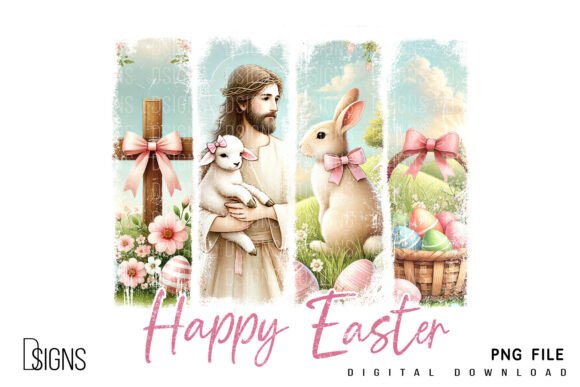
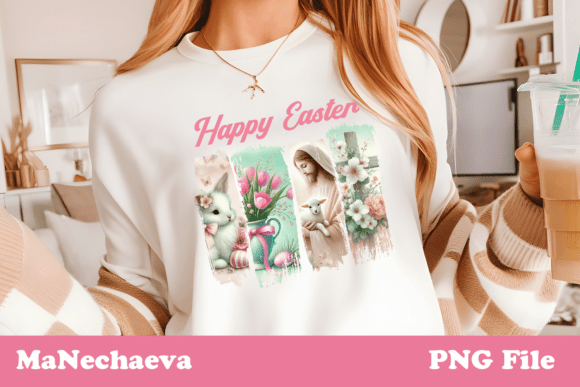
When I opened Vintage Happy Easter Jesus Sublimation, I didn’t see a cliché — I saw intention. The composition leans into soft curves, gentle script, and balanced negative space. There’s no frantic energy or overworked detail; instead, it carries the quiet dignity of a hand-painted Easter card from the 1940s. The central figure is simplified but unmistakable — not overly stylized, not cartoonish — and the “Happy Easter” lettering flows like ink on aged parchment. It feels handmade *before* it’s even stitched, which is rare in digital embroidery files. That mood matters deeply when you’re building trust with customers who value sincerity over sparkle.
A Real Project Test: Embroidering a Linen Kitchen Towel for a Boutique Gift Line
Last week, I used Vintage Happy Easter Jesus Sublimation on a natural linen tea towel — part of a small-batch Easter collection for a local gift shop. Why this design? Because it held up where others faltered: the open layout allowed the fabric’s texture to breathe, the moderate stitch density prevented stiffness, and the clean silhouette read clearly at 4.5 inches wide — ideal for a towel’s center panel. Customers responded to its warmth, not just its theme. One buyer wrote, “It feels like something my grandmother would’ve hung in her kitchen.” That kind of emotional resonance is gold for Etsy sellers, craft fair vendors, and boutique owners curating meaningful holiday merchandise.
Where It Shines (and Where It Asks for Thought)
Vintage Happy Easter Jesus Sublimation works beautifully across several real-world applications:
- Custom apparel: On midweight cotton tees or relaxed-fit sweatshirts, the design reads clearly without overwhelming the garment. Its vertical orientation suits chest placements especially well.
- Embroidered patch: Clean edges and minimal fine detail make it highly stable for cut-away backing and iron-on adhesive — great for aprons, tote bags, or nursery decor.
- Baby embroidery: Soft scale and gentle lines suit onesies and burp cloths — just avoid dense satin stitch zones near seams where friction occurs.
- Holiday gifts & personalized products: It elevates simple items — think pillow covers, ceramic mug sleeves, or wooden ornament backings — with quiet reverence, not loud graphics.
- Small shop product: As a T-Shirt Designs asset, it fits cleanly into seasonal bundles, printable mockups, and cohesive branding for faith-based craft businesses.
Use With Care — Practical Limits You’ll Notice on Your Hoop
This isn’t a one-size-fits-all embroidery file. Here’s where I slowed down and adjusted:
- Small hoop sizes: Below 4 inches, some subtle curve definition in the figure’s outline begins to blur. Stick to 4.5" minimum for best clarity.
- Textured or stretchy fabric: On slubbed linen or lightweight knits, use medium-weight tear-away stabilizer + light topping. The design’s open areas can pucker if unsupported.
- Dark fabric: The script relies on contrast — test thread colors carefully. A warm ecru or oatmeal works better than stark white on navy or charcoal.
- Curved surfaces (caps, hats): Avoid full-front placement. It’s better suited for flat or gently rounded panels like tote bag centers or sweatshirt backs.
- Frequent-wash items: While stitch density is moderate, avoid placing tight satin-stitched sections directly over high-flex zones (e.g., elbow seams on baby rompers).
What It Adds to Your Finished Product — Beyond the Stitch
Using Vintage Happy Easter Jesus Sublimation does more than fill space — it shapes perception. On a handmade product, it signals care and context. Customers don’t just see “Easter”; they sense tradition, tenderness, and intentionality. That lifts perceived value, especially for personalized gifts or boutique branding. For Etsy sellers, it strengthens search relevance *without* keyword stuffing — terms like “vintage Easter embroidery,” “Christian baby gift,” or “linen towel design” align naturally with how buyers describe what they’re seeking.
It also supports brand consistency. If your shop leans into heirloom-style aesthetics — think muted palettes, natural fibers, and slow-craft messaging — this design reinforces that voice. It doesn’t shout. It invites pause. And in a crowded marketplace, that kind of restraint builds trust faster than bold fonts ever could.
Designer Notes You’ll Want Before Threading Your Needle
Before committing to a client project or production run, here’s what I always do with a new machine embroidery design like Vintage Happy Easter Jesus Sublimation:
- Test on scrap fabric first — especially if using textured, dark, or blended fabrics. Watch how the fill stitch settles and whether running stitch outlines hold crispness.
- Check thread color contrast in natural light and under store lighting. What reads softly on screen may vanish on deep burgundy cotton.
- Review stitch density visually — zoom in on the file preview. Look for overlapping satin columns or overly tight fills that might cause puckering on delicate substrates.
- Confirm hoop size compatibility — don’t assume it fits your standard 4x4. Measure the design dimensions in your embroidery software.
- Inspect small details — especially the curvature of hands or script terminals. These are often the first elements to lose fidelity at smaller scales.
- Test in black-and-white mockups — helps spot unintended visual weight imbalances before stitching.
- Compare light and dark fabric backgrounds side-by-side. Some designs gain depth on darks; others flatten.
- Use proper stabilizer — medium tear-away for stable wovens, cut-away for knits, light topping for napped fabrics like terry cloth.
- Verify licensing — especially if planning commercial embroidery, resale of finished products, or bundling as digital embroidery file assets. When in doubt, contact the source.