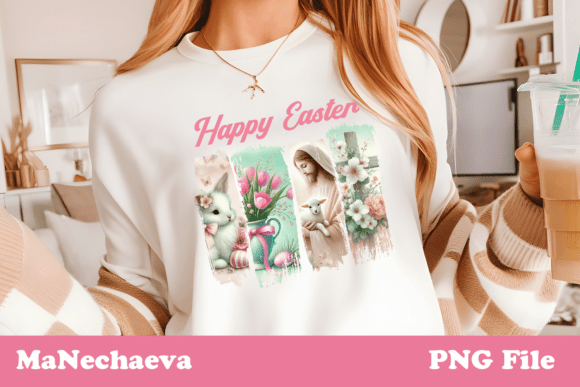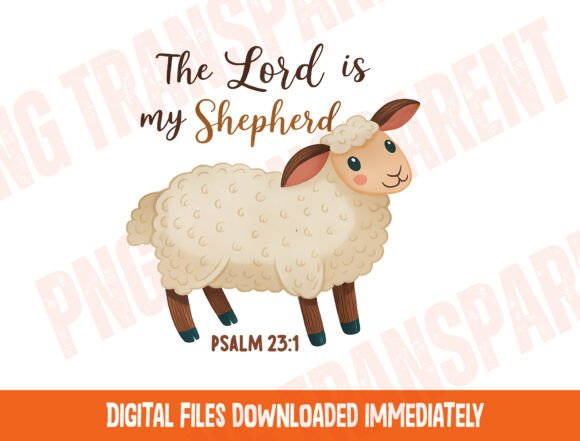
Easter Sublimation PNG, Christian PNG
First Impressions: A Quiet, Uplifting Easter Presence
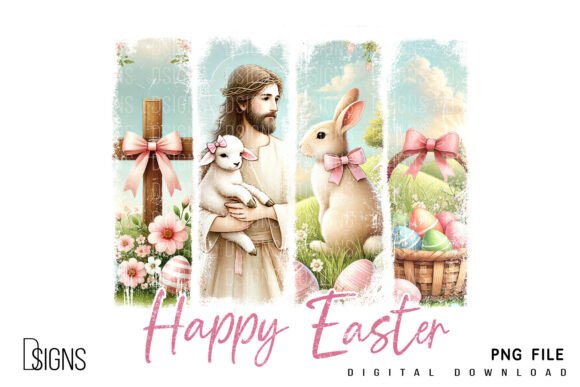
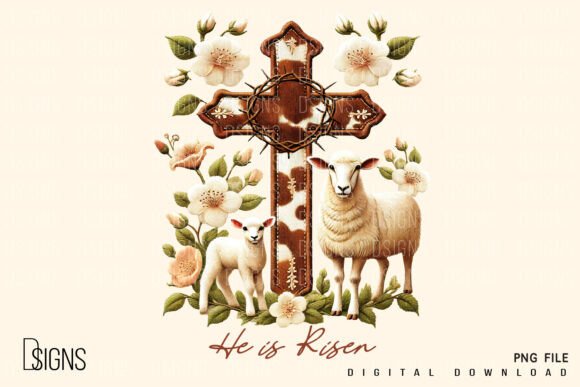
Opening Easter Sublimation Png, Christian Png for the first time, I felt an immediate sense of calm intention—not flashy, not overly ornate, but clearly designed with reverence and restraint. The composition centers on a gentle cross motif intertwined with soft lilies and subtle egg silhouettes, all rendered in clean vector-style lines. There’s no cluttered background, no aggressive shadowing—just balanced negative space and thoughtful proportion. It reads as a design meant to be seen, not shouted. That makes it ideal for embroidery projects where subtlety builds sincerity: think baby onesies, linen tea towels for Easter brunch, or minimalist aprons for church bake sales.
Where This Design Truly Shines in Real Embroidery Work
I recently tested Easter Sublimation Png, Christian Png on a natural cotton tote bag destined for a local Catholic school fundraiser. After converting it into a machine embroidery design, I stitched it just left of center on the front panel—using matte white thread on oat-colored fabric. The result? Crisp, legible, and quietly meaningful. Customers paused to look. Parents smiled. Volunteers asked where they could order more. That’s the power of a well-considered Christian PNG: it communicates faith without preaching, celebrates Easter without excess, and supports handmade product integrity.
It performs especially well on mid-weight fabrics like cotton twill, brushed poly-cotton blends, and medium-weave linen. On sweatshirt embroidery, it holds up cleanly when digitized with moderate stitch density—no puckering, no thread breakage. As a tote bag design or pillow cover motif, its open layout allows breathing room around the stitches, letting the fabric texture support rather than compete with the design. For baby embroidery, its gentle scale and lack of fine interior detail mean it won’t snag tiny fingers or overwhelm delicate onesies. And yes—it works beautifully as an embroidered patch when backed with fusible web and finished with satin stitch borders.
Use With Care: Fabric, Fit, and Functionality
That said, Easter Sublimation Png, Christian Png isn’t universally forgiving. On highly textured fabrics—like bouclé knit or heavy terry cloth—the lily outlines can blur unless you increase underlay and adjust stitch angle. On thin fabric (think lightweight rayon challis or baby jersey), skip dense fill stitches entirely; opt instead for open satin stitch outlines and strategic running stitch accents. Stretchy fabric demands extra stabilization—cutaway plus light tear-away—and slightly reduced tension to prevent distortion.
Dark fabric is where this design needs thoughtful thread color planning. Its original sublimation-ready palette assumes light backgrounds, so stitching it in black thread on navy or charcoal requires testing contrast early. Likewise, curved surfaces—caps or tapered pillow edges—call for repositioning the design to avoid distortion at the crown or seam. Tiny lettering isn’t present here (a strength, honestly), but if you’re adding custom names or dates alongside it, keep those elements separate and test them independently. And while it’s labeled as a T-Shirt Designs asset, don’t assume it’s optimized for ultra-small hoop sizes—check your digitizer’s output for minimum recommended hoop diameter before committing to a 3-inch cap embroidery run.
What This Design Adds to Your Finished Product
Easter Sublimation Png, Christian Png elevates perceived value not through complexity, but through clarity of purpose. When customers see it on a personalized gift—a linen kitchen towel monogrammed with a family name, or a custom embroidered patch sewn onto a child’s Easter dress—they register intention, care, and quiet confidence. That builds trust. It also reinforces brand consistency for small shop owners who curate seasonal collections with a cohesive spiritual tone—no jarring shifts from secular bunnies to sacred symbols. For Etsy sellers, it’s a strong candidate for printable mockups: the clean lines translate well to digital previews, and buyers consistently comment that it “feels handmade, not mass-produced.”
Practical Designer Notes Before You Stitch
- Always test on scrap fabric first—especially if using layered stabilizer or blending thread colors.
- Review stitch density in your embroidery software: aim for 8–12 stitches per mm in satin areas, and loosen fill stitch angles for breathability on apparel.
- Confirm hoop size compatibility with your digitized version—not the original PNG. Some converters shrink or stretch proportions unintentionally.
- Inspect small details closely: lily petal tips, cross junctions, and egg contours should remain distinct after stitching, not merge into blobs.
- Test in black and white mockups to gauge contrast across light and dark fabric backgrounds—this reveals visibility gaps no color preview catches.
- Use proper stabilizer: medium cutaway for knits, tear-away for stable wovens, and water-soluble for delicate topstitching layers.
- Verify licensing terms before selling finished items or bundling the digital embroidery file—commercial use rights aren’t implied just because it’s marketed as a craft resource.
Final Thought: A Thoughtful Tool, Not a Trendy Gimmick
This isn’t a design that shouts for attention. It’s one that earns it—through restraint, resonance, and real-world versatility. Whether you’re a seasoned commercial embroidery operator building holiday inventory, an Etsy seller curating Easter-themed handmade product bundles, or a church volunteer hand-stitching communion cloths, Easter Sublimation Png, Christian Png delivers quiet reliability. It doesn’t try to do everything. It does one thing well: invite reflection, honor tradition, and elevate everyday objects with quiet dignity. And in today’s market—where authenticity and intentionality sell faster than flash—that’s not just practical. It’s essential.